What I Learned Building a Glove to Catch My Dreams
I am still fresh to software engineering like an arctic fish is to tropical water. The successes and failures in my projects are still imaginary. I was surprised by the powerful effect of creating in reality. Cutting and burning my fingers and getting pleasantly dizzy from soldering fumes were all the good reasons to wake up early and sleep late these past weeks.
These side effects from building an open source project by MIT became the main attractions. Like a glove in winter, my self-made glove also prevents you from losing heat in your extremities. Because dreaming is indeed psychic extreme sport, incentivized by the almost absolute absence of brain candy neurotransmitters while you sleep.
The Scarcity Principle
Imagine for a moment the veil of effort that comes on a social media addict when they have to go through the whole success recipe of brushing their teeth. The trendy term “dopamine detox” describes reversing this process. You reject instant gratification and invite the counterintuitively satisfying experience of boredom. Then your senses sharpen and open. The scarcity of stimulation makes you creative like blue collar workers who would invest huge effort for the transcendental ecstatic experience of a woman playing music in the local bar.
The most extreme experience of that is dreaming. Extreme sensory deprivation leads to extreme creativity—which is basically the art of thinking outside the box. In psychology this is called the tendency to prefer weak associations. Your brain acts as if there was a reward to find the most unlikely combination.
That’s why you tend to wake up with fresh perspectives in the morning. Your brain at night is shapeshifting through the eyes of different animals. It looks at daily experience from the frog perspective and from the eagle perspective and from the fish and alligator perspective. All this metamorphosis happens because it explores the possible meaning of what you have experienced in the hours of day. This meaning is defined in how experience fits into the context of your life and therefore into your personal evolution game.
Many good inventions like ice cream or even Nobel Prize winning molecule discoveries have been made in mind states where accidents are encouraged and logic is banished. Biological evolution itself is all about feeling around and finding out, and dreams provide a simulation to do so without risking your bloodline.
Your mind is experimenting with radically reinventing yourself, and like children who haven’t been trained in logic yet, the very casual freedom of imagining nothing as impossible is exactly how you find out what is possible.
The Forgotten Country
All of this is my understanding of a funky glove and the science behind it made by a brilliant team at MIT.
There is a branch of the MIT tree called the Fluid Interfaces group, and they run a project called Dormio. Their opening declaration cuts to the heart: “Sleep is a forgotten country of the mind. A vast majority of our technologies are built for our waking state, even though a third of our lives are spent asleep.”
Hypnagogia. The word sounds like a rare berry you’d find in a health food store. “High in antioxidants. Boosts cognitive function.” And honestly? That’s not far off. If goji berries are a superfood for your body, hypnagogia is a superfood for your mind. The difference is that your brain produces it naturally every single night. We just forgot to pay attention.
The MIT team describes hypnagogia—that threshold between waking and dreaming—as “trippy, loose, flexible, and divergent.” It’s like your eyes adjusting to darkness. When you first step outside at night from a lit room, you see nothing. Then, slowly, the stars appear. Details emerge that were always there but invisible.
Edison, Tesla, Poe, and Dalí each accessed this state by napping with a steel ball in hand. When the ball dropped to the floor just as they fell asleep, they awoke to capture the creative ideas generated in their hypnagogic dreams.
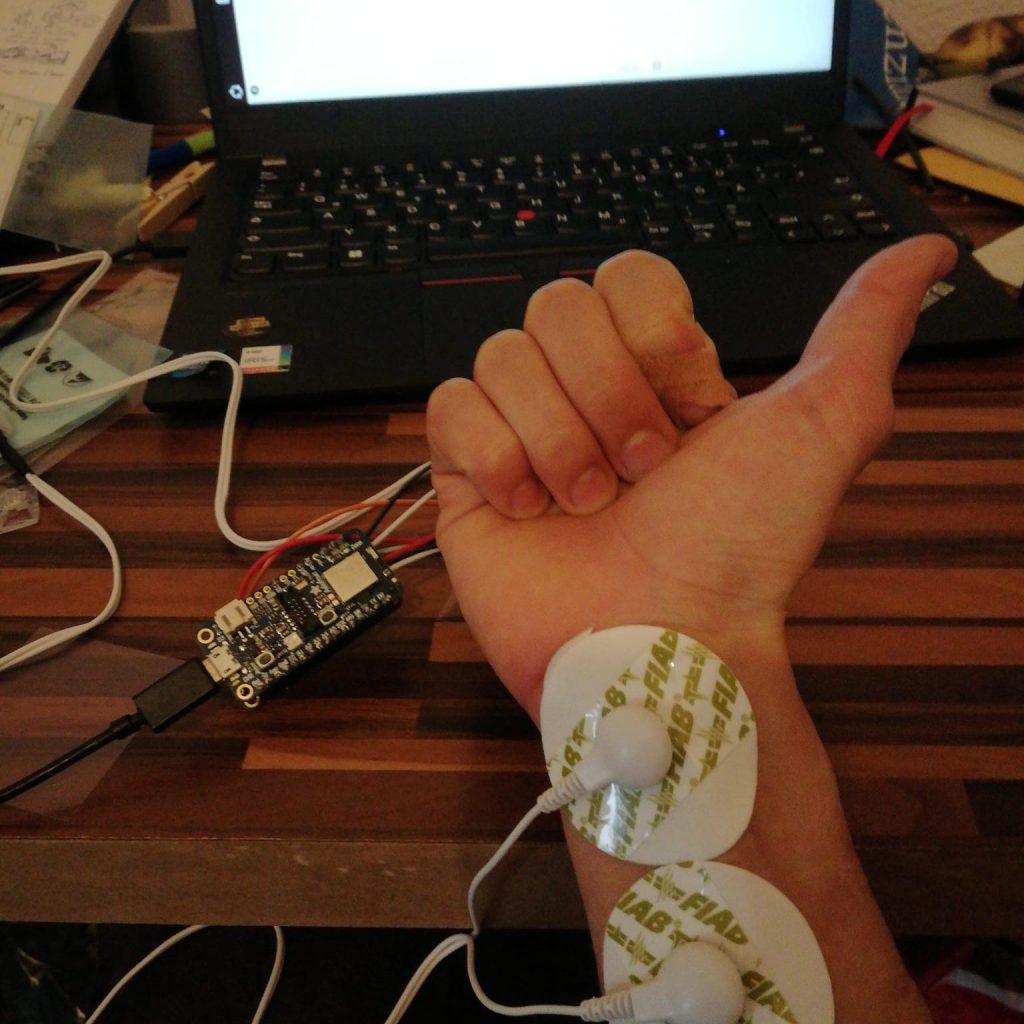
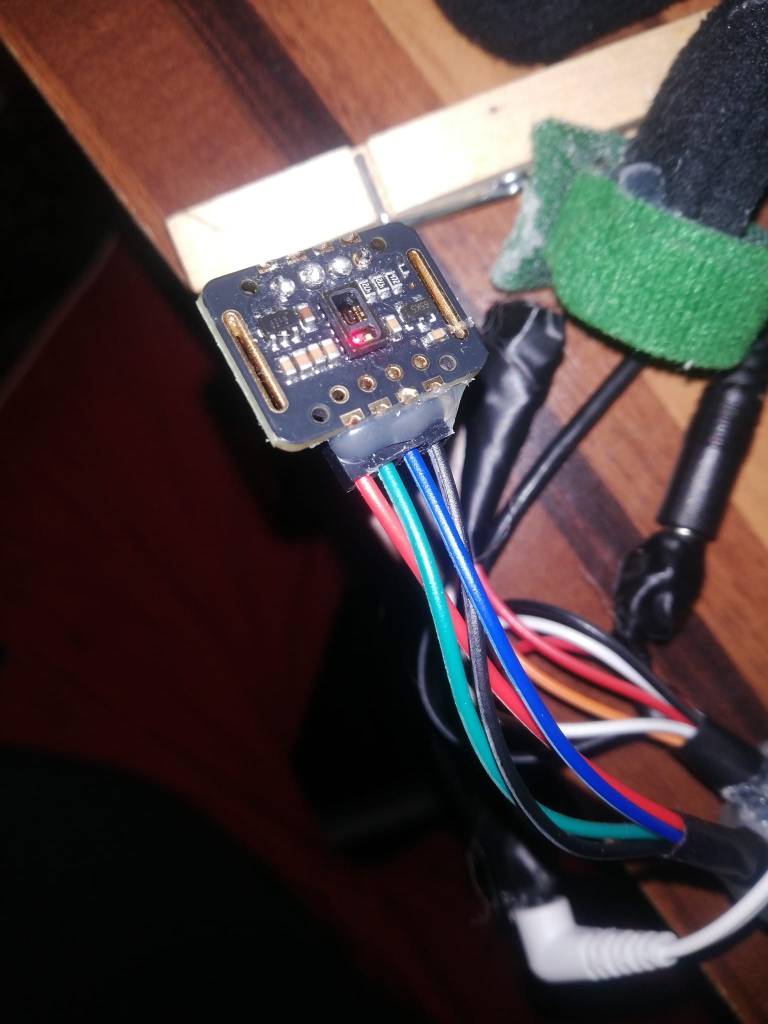
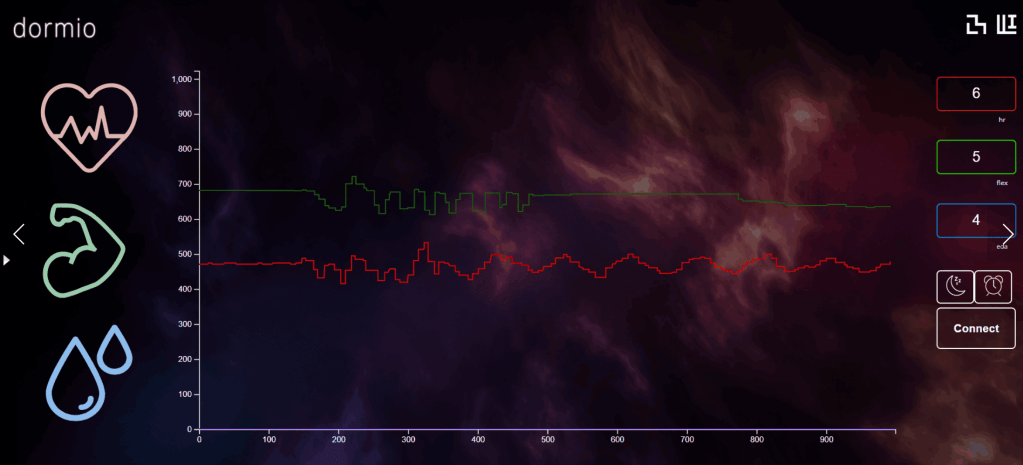
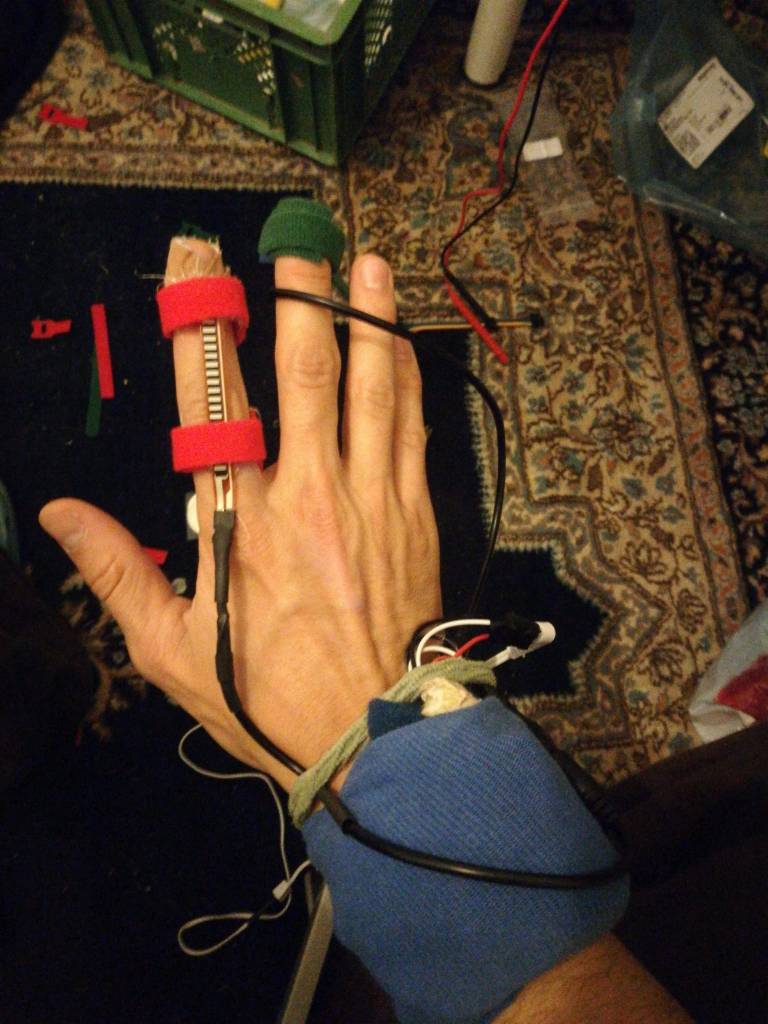
Dormio modernizes the steel ball technique. A wearable glove tracks biosignals to detect when you’re slipping into that liminal space. When it senses hypnagogia approaching, it plays an audio cue: a word, a question, whatever you want to incubate. The cue keeps you suspended in that threshold state, then gently prompts you to speak what you were thinking.
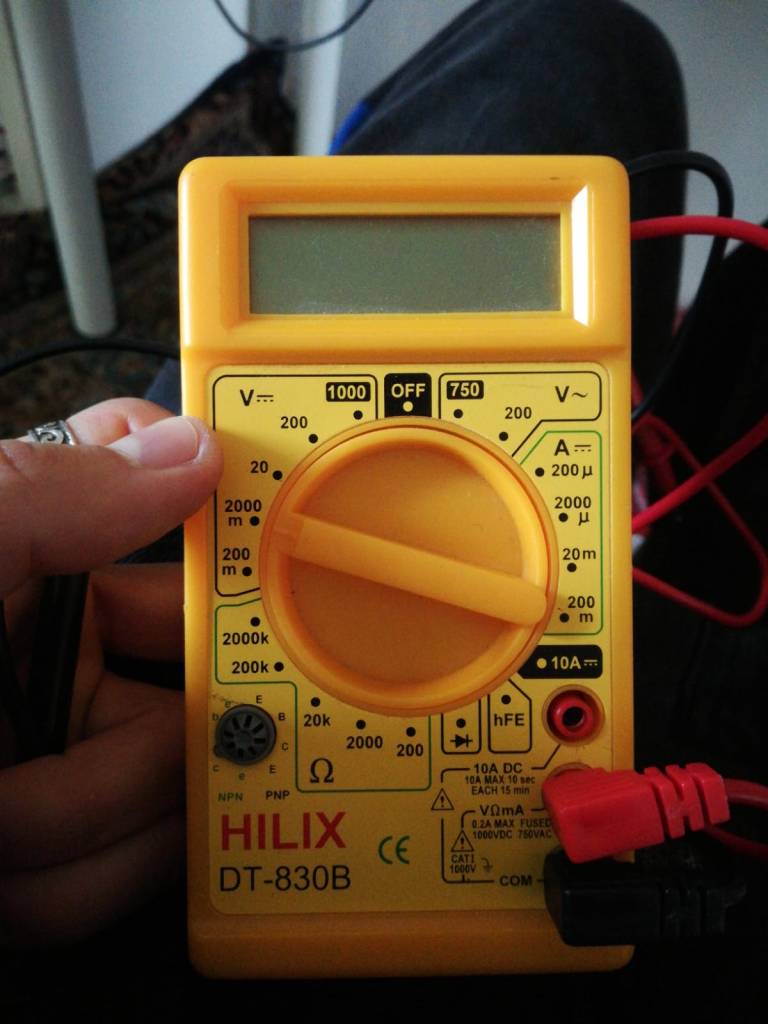
I built my own version from scratch. Data still messy. Experience unmistakable.

The Renaissance
There are two things I love about how the Dormio team frames their work.
First: they describe it as a Renaissance of Ancient Dream Cultures. Not invention, but revival.
The ancient Greeks called dream incubation enkoimesis—to sleep within. They built sanctuaries dedicated to Asklepios, the dream-healer god, where patients would undergo purification rituals and then sleep in sacred chambers to receive healing dreams. These temples operated for over two thousand years. That they remained popular so long is testament to their efficacy. They were only closed because of early Christian zealots. There was only room for one bearded healer on the block.
Second: the Dormio team are not dogmatic believers in the game rules of academia but truth-seeking idealists. When Adam Haar Horowitz, the project lead, first pitched his research proposal on engineering dreams, one of his professors accused him of overindulging in magic mushrooms. And yet he persisted, because as he puts it: “Hypnagogia is a ‘me’ that I am unfamiliar with, a ‘me’ that slips past memory as we drift into unconsciousness.”
The project reveals something of personal gravity comparable to an innovator pounding their head on the table upon realizing how foolish it is to explore space while knowing so little about the earth’s oceans. There are many similarities between the brain on psychedelics and the brain on dreams. Both make you travel into strange parallel worlds and bring back unconventional but pragmatic insight. But with dreams, your own sleep cycle is creating the state. The medicine was always inside.
There is something deeply romantic and empowering about listening to your dreams for answers to burning questions. It’s like getting lost in watching the fire which burns away the bullshit and transforms marshmallows from digestible to delicate ecstatic experiences.
The Cocooning Animal
Rosalía just published her new album—a piece of art emerging from intense intellectual effort, studying saint stories and classical music for many secluded months.
In interviews about her creative process, she describes lying down with her laptop, getting deeply relaxed, almost asleep, and letting lyrics emerge from that twilight state. She calls herself a vessel, not an artist creating, but a channel receiving.
She states that trust in her instincts comes from trust in the information soil she has so much worked cocooning herself in. The butterfly of her great album emerges from the cocooned studying animal being very strict and picky in its diet. The sexy business emerges from the unsexy business.
This is a waking version of what happens in hypnagogia automatically. She cultivates the conditions for receptivity. She gets out of the way. She trusts what emerges.
The Peculiar Superposition
I want to talk about dreams because sleep and what happens in it is a mystery and a danger to many people. I purposely state it provocatively because the danger lies in the total loss of control. Something overtakes our being and from rational understanding we have to admit those absurd and insane narratives come from inside ourselves.
Being ashamed of our dreams feels childish because we have no control over their contents. We have absolutely no responsibility and still can take credit for any genius strike of dreams. It’s a very peculiar situation. We know the dreammaker is a part of us yet it is so alien it can be justified to only claim it when it’s to our benefit.
After awakening with big pupils we can tell our friends and lovers some deep raw truth softened in the exquisite gift wrapping of the symbolic dream language. We can use those dreams to sink into deeper layers with the help of an absolutely effortless honesty. It feels like lying on a soft mossy floor in a thick green forest with your lover and suddenly you fall into deeper unity.
This extraordinary superposition of big benefit without responsibility is very familiar to any person feeling the slimmest force of non-self at work in their work on this planet. It is a pure religious experience giving you a different quality of boldness than anything which can come from the personality you are aware of and carry in daily life.

The Wild Animal Inside
Every single night, your brain creates entire coherent realities—narratives, emotional textures, spatial architectures. This happens purely from the internal machinery of your mind. And most people have no idea.
The philosopher Günther Anders proposed that we are “inverted utopians”: regular utopians can imagine better worlds but cannot build them. We are the opposite—we build more than we can imagine.
Dreams invert this inversion. We are creating profound cognitive experiences every night and we cannot imagine what we are creating. When you engage consciously with this process, you begin to witness the creative power operating beneath your waking awareness. This produces something psychologically invaluable: awe. Wonder. Humility before the forces inside you.
And here’s what changes: once you recognize the wild intelligence creating dreams within yourself, you start to see other people differently. Everyone dreams. Everyone contains this strange, alien, creative force. The quiet person on the train, the frustrating colleague—all of them are hosting nightly visits from an inner genius they barely acknowledge.
Everybody wants to be humble because it is so beneficial for how other people like us, but there is no humility if there is nothing greater than us. Being aware of your dreaming life is being aware of a very wild and magical animal inside of us. When logical circuits turn off, instinct takes over, and exposure to a power which is big but can only be half-claimed by us produces wonder.
The Plastic Bag
Dreaming must have a special place in a society where social media is a neurochemical necessity. When living becomes an obligation, your dreams can possibly untie the knots while everyone recommends you to just cut the ropes.
Good maintenance means good dreaming.
A filthy metaphor for bad dreaming: vegetables decaying in plastic bags. You buy them, store them sealed, too busy to notice. Without air, without interaction with their environment, they mold and decay in their own juice. Just poke a hole in the bag and they breathe. They last.
Modern sleep hygiene is the sealed plastic bag. Blue light before bed. Stress carried into the pillow. Alarm clocks ripping you from REM. The brain marinates in its own juice, disconnected from the waking life it should be processing. You feel out of touch with yourself because your dream world doesn’t touch your waking life.

The Forgotten Immune System
But why can we by default not remember our dreams?
I think of amnesia as a self-protection mechanism. Dreams were designed to be contained and healing in sleep alone. They take effect in our bodies and spirits without us knowing—like a silent immune system working the night shift.
For most of human history, this was enough. You lived in a village. You knew everyone. Your stressors were immediate and physical—predators, weather, scarcity. Your psyche could process these threats in automatic overnight maintenance mode without you ever becoming aware of the repair work.
But we are not designed for modern conditions. We are not designed for infinite scroll and comparison with millions of strangers. We are not designed for abstract anxieties about careers and mortgages and global catastrophe. We are not designed for the particular flavor of existential disorientation that comes from being uprooted from community, tradition, and embodied purpose.
In this environment, the passive dream immune system isn’t enough. It’s like relying on your body’s natural defenses while living in a city of novel pathogens. Sometimes you need to actively boost your immunity.
Consciously engaging with dreams—extending hypnagogia, incubating themes, capturing reports—is psychological vaccination for modern life. A practice that recruits the wild healing intelligence of sleep into active service. Not because the ancient mechanism is broken, but because the modern disease load has changed.
We have gloves now. We have science that doesn’t flinch when accused of tripping on mushrooms. We have fire to watch and marshmallows to transform.
The Night Sky
Here’s the simplest true thing I know from direct experience:
There’s a state of consciousness you pass through every night that feels qualitatively different from either waking thought or deep dreaming. It’s trippy but lucid. Associative but coherent. Receptive but not passive.
Most people don’t remember it because they’re not paying attention.
When you do pay attention—when you learn to recognize it, extend it, work with it—you gain access to a kind of cognition that’s otherwise unavailable. Not better than waking thought. Different. Complementary.
Obedience to our current ways of living happens only because we ignore the audacious and pure fantasy of dreams.
The night sky of the unconscious contains stars I haven’t seen yet. The wild animal inside has stories to tell. I’m finally learning to listen.
If you are curious now to read the great introduction by the inventor team behind dormio you should check out the MIT article! https://www.media.mit.edu/projects/sleep-creativity/overview/
 philippbrandes
Leave a comment